
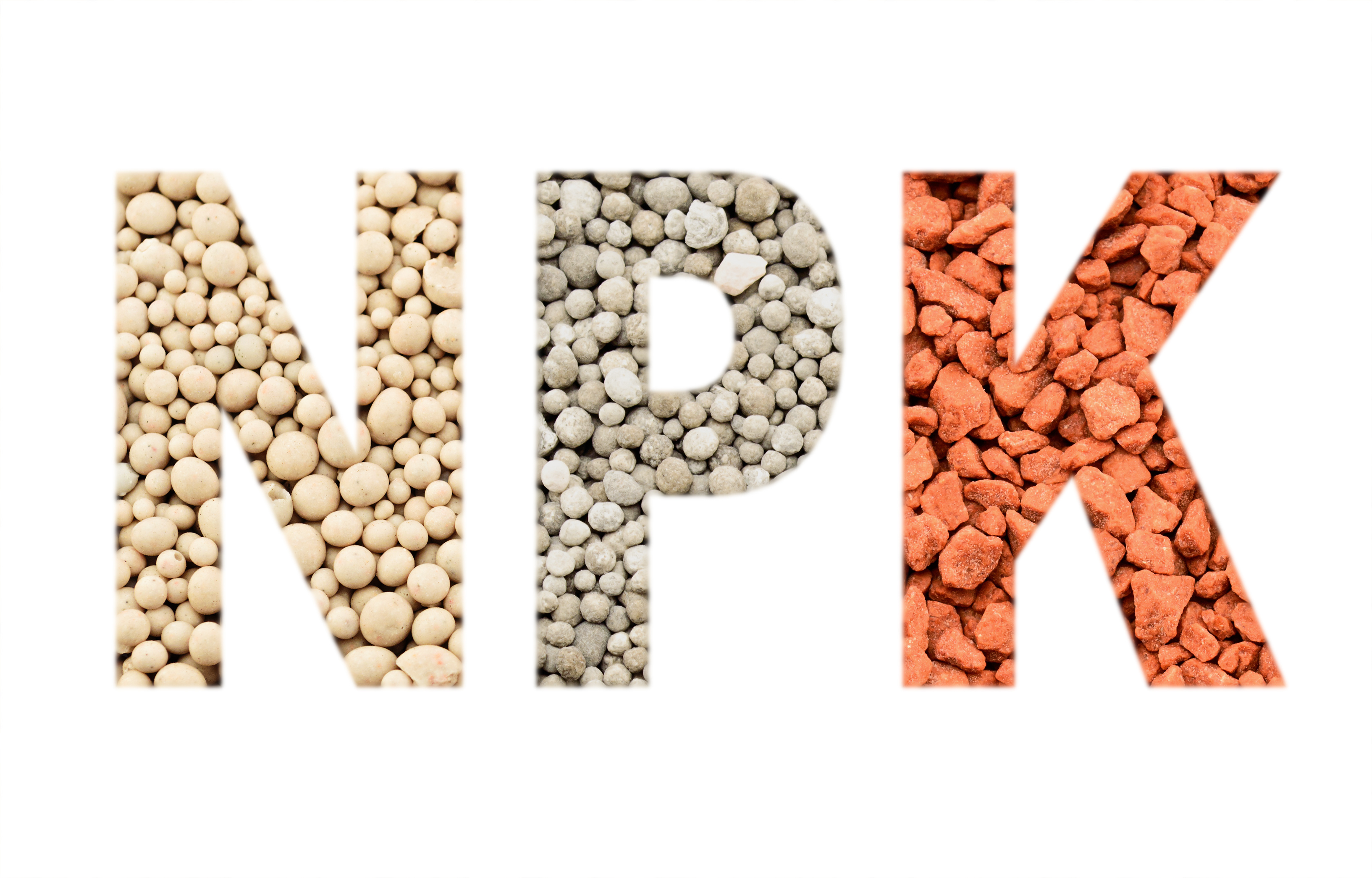
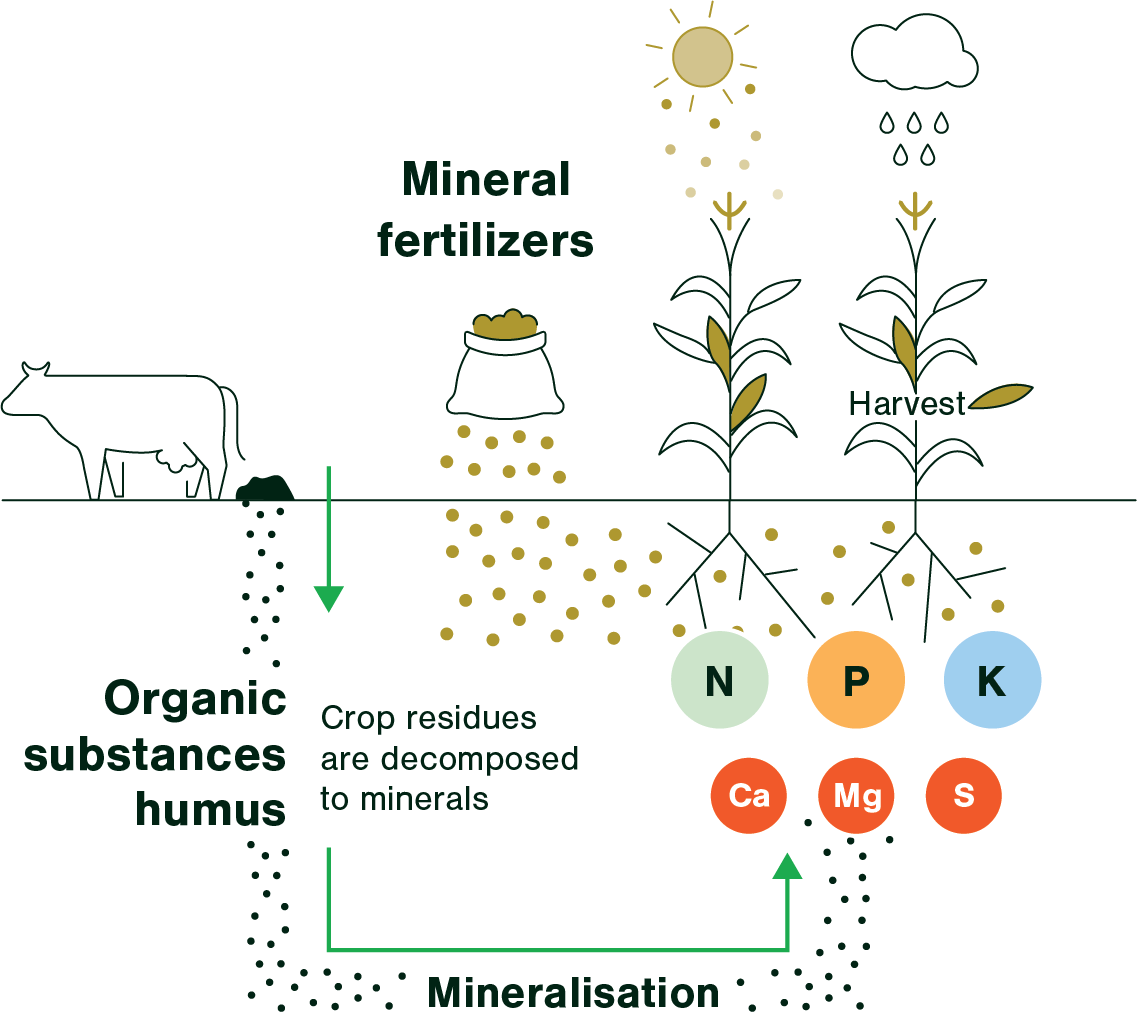
Plants need nutrients to grow which they absorb from the soil via the plant’s root system. Fertilizers provide the major nutrients (nitrogen, phosphorus and potassium and important secondary elements) that plants need. Unless the nutrients are replenished, the soil’s productive capacity declines with every harvest.
Nitrogen fertilizers
Certain weather and soil conditions can lead to nitrogen immobilisation, denitrification, volatilization or leaching, all reducing fertilizer efficiency. In response, the industry has developed special types of fertilizers designed to reduce these effects. They include foliar, slow and controlled release fertilizers, as well as fertilizer additives such as urease and nitrification inhibitors.
Phosphorus fertilizers
The most common phosphate fertilizers are single superphosphate (SSP), triple superphosphate (TSP), monoammonium phosphate (MAP), di-ammonium phosphate (DSP) and ammonium polyphosphate liquid.
Different fertilizer products have different release profiles and need different spreader settings for efficient application.
Potassium fertilizers
Potassium is also available in a range of fertilizers which contain potassium only or two or more nutrients and include Potassium chloride (KCl), Potassium sulphate (K2SO4) or sulphate of potash (SOP), Potassium nitrate (KNO3), known as KN.