
Plants need nutrients to grow and reach their maximum genetic potential.
There are 17 most important nutrients for plants, all different pieces of the very same puzzle. Plants must obtain these nutrients from their environment and different sources to grow optimally. The three primary nutrients are nitrogen (N), phosphorus (P) and potassium (K), followed by three secondary nutrients Calcium (Ca), magnesium (Mg) and sulphur (S) and other eleven micronutrients.
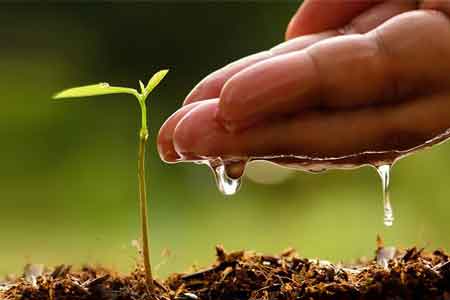
Plants need a permanent availability of all the nutrients in proportion to their daily needs. These nutrients need to be replenished in the soil after the plant harvest and this is done by the use of organic and/or mineral fertilizers. The objective of balanced fertilization is to ensure that the plant has access to an adequate supply of each nutrient at every growth stage in order to avoid any over or under-supply. This enables the crop to optimise its use of the nutrients and ensures strong, healthy and productive crop growth while minimising environmental impacts.
What is balanced plant nutrition?
According to «Liebig’s barrel» principle, plant growth is dictated by scarcest resource (limiting factor) and not by total resources available.
A deficiency in one nutrient cannot be compensated by a surplus of any of the others. So one nutrient alone cannot ensure the yield, and the balance between thenutrients is essential to ensure reaching yields according to the genetic potential of the crops.The principle of the Liebig’s barrel highlights the key importance of a good soil management as a basis of agriculture practice.
Liebig’s barrel – a principle developed in agricultural science by Carl Sprengel and later popularized by Justus von Liebig in the 19th century, a German chemist who made major contributions to agricultural and biological chemistry.